


Automation is no longer a distant concept—it is a present-day force reshaping how work is performed across industries. From factories and warehouses to offices and hospitals, machines and software systems are increasingly handling tasks once done exclusively by humans. This transformation brings both opportunities and challenges, making its impact on the workforce a critical topic for employers, employees, and policymakers alike.
Understanding Automation in the Modern Workplace
Automation refers to the use of technology to perform tasks with minimal human intervention. It ranges from simple rule-based software to advanced systems powered by artificial intelligence.
Common forms of workplace automation include:
- Robotic machinery in manufacturing
- Software that automates data entry and accounting
- Algorithms managing logistics, scheduling, and inventory
- AI-driven tools supporting customer service and analysis
These technologies aim to improve efficiency, accuracy, and consistency.
Jobs Most Affected by Automation
Automation tends to affect task-based roles rather than entire professions. Jobs involving repetitive, predictable activities are more vulnerable.
Roles with higher exposure include:
- Assembly line and factory workers
- Data entry and administrative staff
- Warehouse and logistics personnel
- Basic customer support roles
However, automation often reshapes these jobs instead of eliminating them entirely.
Job Creation and the Emergence of New Roles
While automation can reduce demand for certain tasks, it also creates new types of work that did not previously exist.
New and growing roles include:
- Automation technicians and maintenance specialists
- Data analysts and system supervisors
- AI trainers and quality controllers
- Cybersecurity and compliance experts
Historically, technological shifts have replaced some jobs while generating others, and automation follows the same pattern.
Productivity Gains and Business Efficiency
One of the strongest impacts of automation is increased productivity. Automated systems can operate continuously with fewer errors, enabling organizations to scale faster.
Key benefits for businesses include:
- Faster production cycles
- Reduced operational costs
- Improved product consistency
- Better use of human talent for higher-value tasks
These gains often translate into greater competitiveness and innovation.
Skills Are Becoming More Important Than Job Titles
As automation handles routine tasks, human skills are becoming the main differentiator in the workforce.
Skills growing in importance:
- Critical thinking and problem-solving
- Creativity and innovation
- Emotional intelligence and communication
- Technical literacy and adaptability
Workers who continuously update their skills are better positioned to thrive alongside automation.
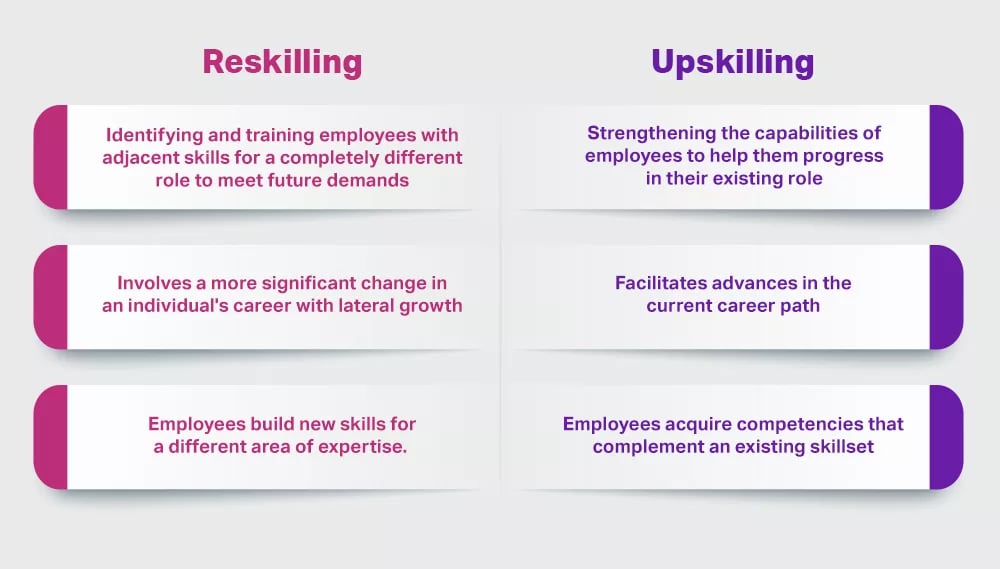



The Need for Reskilling and Upskilling
Automation accelerates the pace at which skills become outdated. Lifelong learning is no longer optional—it is essential.
Effective workforce strategies include:
- Employer-sponsored training programs
- Online learning and certifications
- Cross-functional skill development
- Partnerships between industry and education institutions
Organizations that invest in employee development are more resilient to technological disruption.
Wage Inequality and Economic Concerns
Automation can widen wage gaps if high-skill workers benefit disproportionately while low-skill workers struggle to transition.
Potential risks include:
- Job polarization between high- and low-wage roles
- Regional disparities in employment opportunities
- Short-term displacement without adequate support systems
Addressing these issues requires thoughtful policy, education reform, and social safety nets.
Human–Machine Collaboration Is the Future
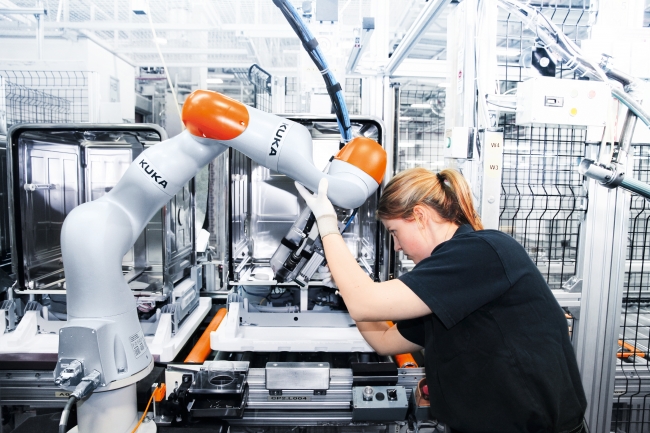
Rather than replacing humans, automation increasingly works with them. Many workplaces now rely on collaborative systems where machines handle precision and scale while humans provide judgment and creativity.
This collaboration:
- Improves safety in hazardous environments
- Enhances decision-making with data-driven insights
- Allows employees to focus on meaningful work
The future of work is not human versus machine, but human plus machine.
Conclusion
The impact of automation on the workforce is complex and far-reaching. It boosts productivity, reshapes job roles, and demands new skills, while also raising concerns about displacement and inequality. The ultimate outcome depends on how well businesses, workers, and governments adapt. When managed responsibly, automation has the potential to create a more efficient, innovative, and fulfilling world of work.
Frequently Asked Questions (FAQs)
1. Does automation always lead to job losses?
No. Automation often changes job responsibilities rather than eliminating entire roles, while also creating new opportunities.
2. Which industries are adopting automation the fastest?
Manufacturing, logistics, finance, healthcare, and customer service are among the fastest adopters.
3. How can workers prepare for increased automation?
By developing adaptable skills, embracing continuous learning, and gaining basic technical literacy.
4. Can small businesses benefit from automation?
Yes. Affordable automation tools can help small businesses improve efficiency and reduce manual workloads.
5. Is automation only about robots?
No. Automation includes software, algorithms, and AI systems that perform digital and cognitive tasks.
6. How does automation affect workplace safety?
It often improves safety by handling dangerous or physically demanding tasks.
7. Will automation slow down in the future?
Unlikely. As technology advances, automation is expected to continue expanding across sectors.
