

Introduction to the Auto Industry
The automotive (auto) industry has long been a cornerstone of modern civilization, shaping how people move, work, and connect. What began as a mechanical solution to transportation has evolved into a technology-driven ecosystem focused on efficiency, safety, sustainability, and intelligence. Today, automobiles are no longer just vehicles; they are platforms of innovation.
A Brief History of Automobiles
Early automobiles were simple, gasoline-powered machines designed primarily for personal transport. Over time, advancements in engineering, mass production, and materials transformed cars into reliable and accessible products for the global market.
Key historical milestones include:
-
Introduction of assembly-line manufacturing
-
Expansion of internal combustion engine efficiency
-
Adoption of safety standards such as seatbelts and airbags
-
Integration of electronics and onboard computers
Modern Automotive Technologies
Electrification and Alternative Fuels
One of the most significant shifts in the auto sector is the move toward electric vehicles (EVs) and alternative energy sources. Automakers are investing heavily in reducing emissions while maintaining performance.
Benefits of electrification include:
-
Lower environmental impact
-
Reduced operating costs
-
Quieter driving experience
-
Fewer mechanical components
Autonomous and Assisted Driving
Automation is redefining the driving experience. While fully autonomous vehicles are still developing, many cars already feature advanced driver-assistance systems (ADAS) such as adaptive cruise control, lane-keeping assist, and automatic braking.
Connected Cars and Digital Integration
Modern vehicles are increasingly connected to the digital world. Through sensors, software, and cloud connectivity, cars can now:
-
Communicate with smartphones and smart homes
-
Receive over-the-air updates
-
Provide real-time navigation and diagnostics
-
Enhance driver personalization and comfort
Manufacturing and Design Innovations
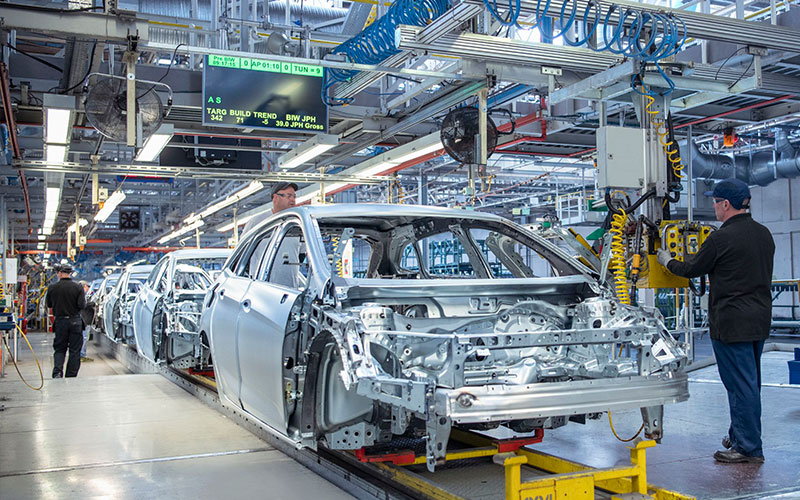
Automotive manufacturing has embraced robotics, artificial intelligence, and data analytics to improve precision and reduce waste. Lightweight materials, aerodynamic designs, and modular platforms are now common, enabling faster production cycles and better fuel efficiency.
The Global Impact of the Auto Industry
The auto industry plays a vital role in the global economy, supporting millions of jobs across manufacturing, logistics, sales, and services. It also influences infrastructure development, urban planning, and energy consumption patterns worldwide.
Challenges Facing the Auto Sector
Despite rapid innovation, the industry faces several challenges:
-
Transitioning legacy systems to new technologies
-
Managing supply chain disruptions
-
Balancing affordability with advanced features
-
Meeting stricter environmental regulations
The Road Ahead
The future of the auto industry is centered on smart mobility rather than ownership alone. Concepts such as shared transportation, autonomous fleets, and sustainable manufacturing are reshaping how society views personal transport. Vehicles will continue to evolve into safer, cleaner, and more intelligent companions on the road.
Frequently Asked Questions (FAQs)
1. What does the term “auto industry” include?
The auto industry encompasses vehicle manufacturing, parts suppliers, dealerships, maintenance services, and emerging mobility technologies.
2. Are electric vehicles replacing gasoline cars completely?
Electric vehicles are growing rapidly, but gasoline and hybrid vehicles are expected to coexist for years as infrastructure and adoption expand.
3. How safe are modern cars compared to older models?
Modern cars are significantly safer due to advanced safety systems, improved structural design, and real-time driver assistance technologies.
4. What is the role of software in today’s automobiles?
Software controls everything from engine management to infotainment, navigation, safety features, and remote updates.
5. How does the auto industry affect the environment?
While traditional vehicles contribute to emissions, newer technologies focus on reducing environmental impact through electrification and efficiency.
6. Will self-driving cars become mainstream?
Autonomous technology is advancing steadily, but widespread adoption depends on regulation, infrastructure, and public trust.
7. How is car ownership changing in the future?
Trends point toward shared mobility, subscription models, and on-demand transportation rather than traditional long-term ownership.
