

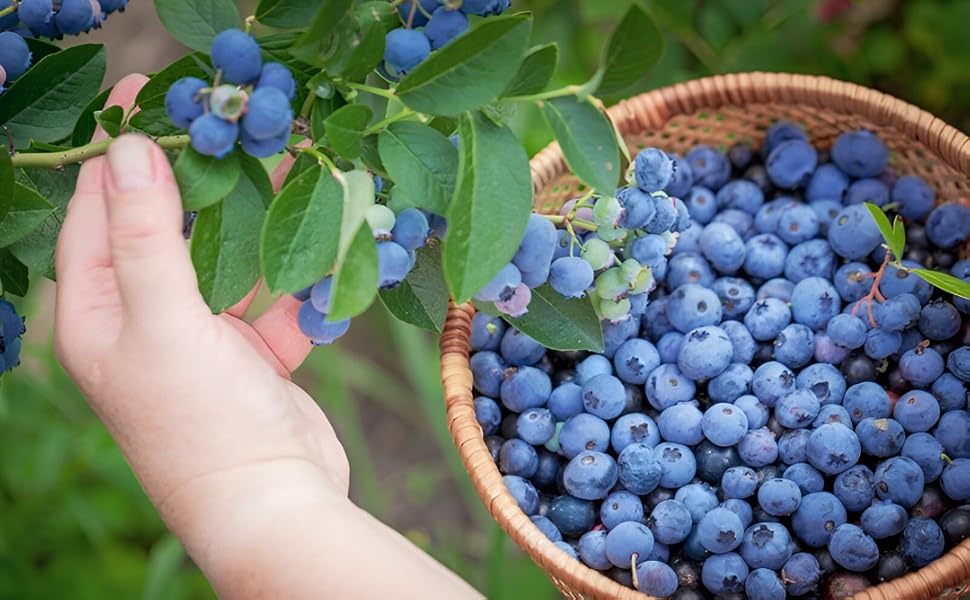
Blueberries offer reliable crops of nutritious berries alongside visual appeal that extends beyond the harvest period. Gardeners in the UK appreciate varieties that provide a sequence of ripening times, ensuring fresh fruit from midsummer into early autumn, while also contributing colourful foliage in spring and autumn. This approach allows for extended interest in borders, containers or allotments, suited to the temperate climate. Selecting cultivars with staggered maturity and notable leaf tints maximises both productivity and aesthetics.
The fruit trees specialists at ChrisBowers emphasise that choosing proven varieties adapted to UK conditions ensures consistent yields and resilience against variable weather. They recommend focusing on bushes that thrive in acidic soils, with cross-pollination from multiple types enhancing fruit set. For detailed options on blueberry plants for sale, their guidance highlights the importance of container-grown stock for year-round planting.
In regions like Scotland and southern England, trials have shown that combining early, mid and late ripeners can extend the picking season by several weeks. Foliage variations add further value, with some types displaying bronze new growth or fiery autumn hues. This strategy transforms a simple fruit patch into a dynamic feature, providing flavour through berries and colour via leaves and stems.
Early Ripening Varieties
Early ripening blueberries kick off the season in British gardens, typically ready from mid-July when warmer days encourage swift development. These cultivars are ideal for northern areas where summers may be shorter, delivering the first bursts of tangy sweetness before main crops mature. Patriot stands out as a robust option, producing large, firm berries with a balanced flavour profile that combines acidity and sugar. Its bushes grow vigorously, reaching up to 1.5 metres, and show good resistance to common issues like root rot in damp UK soils.
Ripening around mid to late July, Patriot’s fruits cluster densely, making harvesting straightforward for home growers. The berries hold well on the plant, reducing losses to birds or weather. In terms of colour, the emerging leaves in spring carry a subtle reddish tint, transitioning to deep green by summer, which complements mixed borders. This variety benefits from mulch to retain moisture, a practice suited to the UK’s often rainy climate.
Bluetta follows closely, maturing in late July with compact growth that suits smaller spaces such as patios or raised beds. Its berries are notably large for an early type, offering a rich, aromatic taste that excels in fresh eating or preserves. The plant’s moderate height, around 1 metre, allows easy netting against pests, a common need in British gardens. Foliage remains dense and healthy, providing a verdant backdrop that enhances garden structure even before fruiting.
Northland, another early performer, ripens about a week after Bluetta, extending the initial harvest window. It features heavy yields of medium-sized berries with a sweet, mild flavour, ideal for baking or freezing. The bushes are fast-growing and productive, adapting well to cooler parts of the UK like Wales or the Midlands. Spring flowers add pale pink accents, while the overall form provides shelter for wildlife, integrating into eco-friendly designs.
These early varieties set the foundation for seasonal progression, ensuring gardeners enjoy fresh produce without gaps. When planting, position them in full sun to maximise sweetness, a factor influenced by the UK’s variable daylight hours. Soil preparation with ericaceous compost is essential, mirroring natural heathland conditions found in areas like the New Forest.
Mid-Season Stars
Mid-season blueberries bridge the gap in UK harvests, typically peaking in early to mid-August when temperatures are at their warmest. This timing aligns with holiday periods, making them convenient for family picking. Blue Crop is a dependable choice, known for its upright habit and consistent heavy crops. The berries are large and firm, with a classic blueberry tang that performs well in desserts or smoothies. Bushes can reach 2 metres, providing substantial presence in larger gardens or orchards.
Its resilience to frost makes it suitable for exposed sites across Britain, from coastal areas to inland valleys. The flavour develops fully in sunny spells, a trait that benefits from the longer days of midsummer. Foliage turns a vibrant red in autumn, adding seasonal colour that persists into October, enhancing landscapes as other plants fade.
Blueray, a close relative, shares similar vigour but offers slightly sweeter fruits that ripen uniformly. This uniformity aids efficient harvesting, important for busy gardeners. The berries’ light blue hue with a powdery bloom contributes visual appeal on the bush, attracting pollinators like bees. In British conditions, it thrives with companion planting, such as alongside heathers, to maintain acidity.
Chandler introduces a dramatic element with its enormous berries, often the size of small cherries, boasting a juicy, mild flavour. New growth emerges with reddish-bronze tones, creating a striking contrast against white bell-shaped flowers in spring. This colouration provides interest from April onwards, before fruit forms. The bush’s spreading form, up to 1.8 metres, suits informal hedging, a popular feature in cottage-style gardens prevalent in rural England.
These mid-season options maintain momentum in the harvest cycle, offering versatility in use. For optimal results, ensure cross-pollination by grouping with other types, as solitary plants may yield less. In the UK’s humid environment, good air circulation prevents fungal issues, achieved through spacing of at least 1 metre between bushes.
Late Season Delights
Late season blueberries extend the UK picking period into late August and September, capturing the tail end of summer warmth. This prolongation is valuable in cooler climates, allowing full ripening without haste. Goldtraube excels here, with its fast-growing bushes producing large crops of well-flavoured fruits. The berries’ attractive appearance and size make them suitable for market gardens or home sales, aligning with the growing trend of local produce in Britain.
Ripening in late August, it benefits from sheltered positions to protect against early frosts, common in northern regions. The flavour is balanced, with hints of wild berry notes, enhancing jams or wines. Foliage remains healthy, turning yellow-orange in autumn for added display.
Darrow, a giant-fruited late variety, yields berries approaching grape size with good taste and texture. Its late maturity, mid to late August, ensures a finale to the season. Notable for blazing orange autumn leaves, it provides spectacular colour as days shorten, rivaling ornamental shrubs. This dual purpose fits modern gardens where space is premium, combining utility with beauty.
Jersey rounds out the late group with very large, dark blue to black fruits that hold excellent keeping qualities. Maturing in late August, it offers a sweet, full-bodied flavour ideal for cooking. The upright growth habit supports heavy yields, making it reliable in variable UK weather. Autumn foliage shifts to red tones, contributing to year-end interest.
These late cultivars cap the fruiting phase, allowing preservation of surplus for winter use. In British allotments, they pair well with protective cloches if needed, extending viability in unpredictable seasons.
Year-Round Colour from Foliage
Beyond berries, blueberry foliage delivers colour throughout the year, transforming bushes into multi-seasonal assets in UK landscapes. Spring brings fresh growth, often tinged with bronze or red, as seen in Chandler, where new leaves highlight creamy flowers. This early vibrancy awakens gardens post-winter, complementing bulbs like daffodils.
Summer focuses on green density, providing backdrop for ripening fruits, but varieties like Misty offer blue-tinted evergreen leaves, maintaining interest in milder southern climates. This persistence suits container displays on patios, where year-round appeal is desired.
Autumn is the highlight, with many types erupting in reds, oranges and purples. Collins is exemplary, with outstanding leaf colour that rivals maples, drawing eyes in October. Darrow’s orange blaze adds warmth, while Blue Crop’s red hues integrate with falling leaves. In British gardens, this phase extends visual enjoyment, especially in areas with mild falls like the southwest.
Winter structure comes from bare stems, often reddish, offering subtle contrast against snow or frost. Evergreen tendencies in some, like Misty, provide green in coastal regions. Overall, this foliar cycle enhances biodiversity, attracting birds and insects.
To maximise colour, site in partial shade for intensified tints, a tactic effective in the UK’s mixed weather. Regular pruning maintains shape, ensuring balanced displays.
Cultivation and Care in the UK
Successful blueberry cultivation in Britain hinges on replicating acidic, moist conditions akin to native habitats. Soil pH between 4.5 and 5.5 is crucial; test and amend with sulphur if needed. Ericaceous compost incorporation aids establishment, particularly in alkaline areas like the chalky southeast.
Planting year-round is feasible with container stock, but autumn or spring avoids extremes. Space bushes 1-1.5 metres apart for airflow, reducing disease risk in humid climates. Mulching with pine bark conserves water and suppresses weeds, vital during dry spells.
Watering demands rainwater over tap, to prevent pH rise, especially in hard-water regions. Drip irrigation suits larger setups, conserving resources. Fertilisation uses specialised ericaceous feeds in spring, avoiding excess nitrogen that promotes leaves over fruit.
Pruning involves removing old wood post-harvest to encourage new growth, performed in winter. Netting protects against birds, a perennial issue in UK gardens. Pests like aphids are managed organically, aligning with sustainable practices.
In containers, common for urban spaces, use large pots with drainage. This flexibility suits balconies in cities like London or Manchester. Monitoring for chlorosis ensures health, addressed with iron supplements.
Overall, with attentive care, bushes thrive for decades, yielding increasing crops.
Selecting and Purchasing Blueberry Plants
When selecting blueberry plants, prioritise UK-adapted varieties for reliability. Consider garden size, opting for compact types like Bluetta for limited spaces. For extended seasons, mix ripening times as outlined.
Purchasing from reputable sources ensures quality; many offer fruit trees for sale alongside bushes, providing one-stop options. Look for two-year-old stock, ready to fruit soon after planting.
Assess root health upon arrival, planting promptly. Online nurseries facilitate access, with delivery across Britain. Budget for multiples to aid pollination, enhancing yields.
Incorporate into designs thoughtfully, perhaps bordering vegetable plots. With proper selection, these plants deliver sustained value.
Maintenance evolves with age; older bushes may need rejuvenation pruning. Community resources, like RHS guides, supplement knowledge.
Ultimately, investing in these seven varieties fosters a garden rich in flavour and colour, rewarding year after year.
