


Mental clarity—the ability to think clearly, focus deeply, and make sound decisions—is something many people struggle to maintain in a fast-paced world. While supplements and productivity hacks get plenty of attention, physical activity remains one of the most effective and natural ways to sharpen the mind. Regular movement doesn’t just strengthen the body; it actively improves how the brain functions.
The Mind–Body Connection Explained
The brain and body are closely linked. When you move your body, multiple systems work together to support brain health.
Physical activity:
- Increases blood flow to the brain
- Delivers more oxygen and nutrients to brain cells
- Stimulates chemical processes linked to alertness and mood
This connection explains why even light movement can make you feel more mentally refreshed.
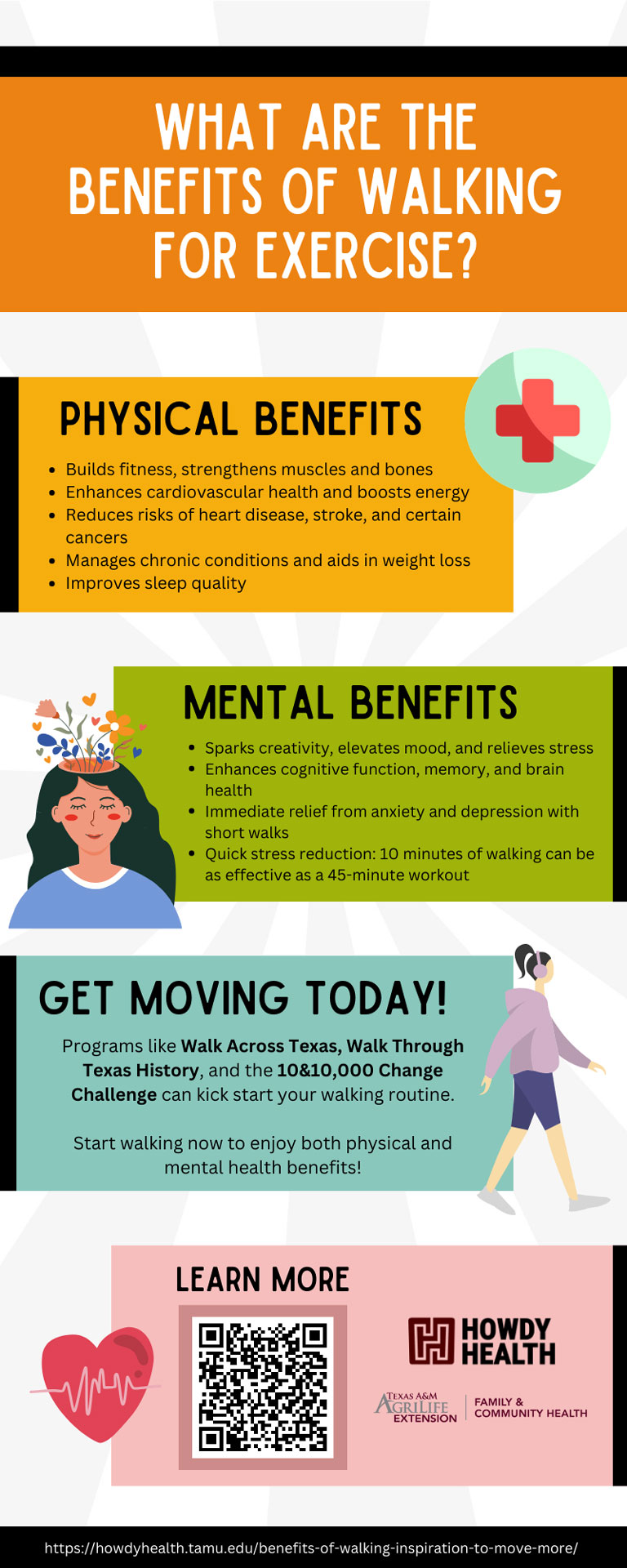
Exercise Enhances Focus and Attention
One of the most immediate benefits of physical activity is improved concentration.
Movement helps by:
- Reducing mental fatigue
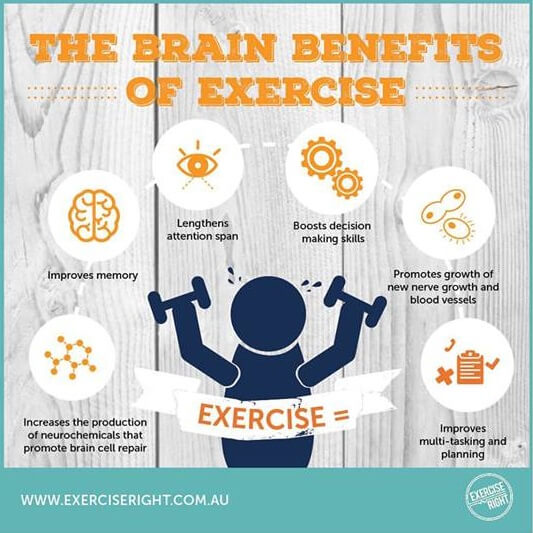
- Improving attention span
- Enhancing the brain’s ability to filter distractions
Many people notice clearer thinking and better focus after a short walk or workout.
Physical Activity Reduces Mental Fog and Stress
Stress is a major contributor to mental fog. Exercise acts as a natural stress regulator.
Benefits include:
- Lower levels of stress hormones
- Improved emotional balance
- Faster mental recovery after challenging tasks
As stress decreases, the mind becomes calmer and more organized.
Improved Memory and Learning Ability
Regular physical activity supports areas of the brain involved in memory and learning.
Exercise contributes to:
- Stronger neural connections
- Better information retention
- Improved recall and cognitive flexibility
This is especially beneficial for students, professionals, and older adults.
Better Sleep Leads to Clearer Thinking
Mental clarity depends heavily on sleep quality, and physical activity plays a major role in improving rest.
Exercise helps:
- Regulate sleep cycles
- Reduce restlessness and insomnia
- Promote deeper, more restorative sleep
Better sleep directly translates into sharper thinking during the day.


Mood Regulation Supports Clearer Thoughts
Emotional balance and mental clarity go hand in hand. Physical activity positively affects mood-regulating chemicals in the brain.
Key effects include:
- Increased feelings of motivation
- Reduced anxiety and irritability
- Greater emotional resilience
A balanced mood allows the brain to focus on tasks instead of emotional overload.
Different Types of Activity, Similar Mental Benefits
You don’t need intense workouts to experience mental clarity. Different forms of movement offer similar cognitive advantages.
Effective options include:
- Walking or hiking
- Strength training
- Yoga and stretching
- Cycling or swimming
Consistency matters more than intensity when it comes to mental benefits.
Making Physical Activity a Mental Habit
To maintain mental clarity, physical activity should be a regular part of daily life rather than an occasional effort.
Helpful habits:
- Short movement breaks during workdays
- Morning exercise to set mental tone
- Outdoor activity for added mental refreshment
- Choosing activities you genuinely enjoy
These habits make exercise sustainable and mentally rewarding.
Conclusion
Physical activity is one of the most reliable tools for improving mental clarity. By enhancing focus, reducing stress, improving sleep, and supporting emotional balance, regular movement keeps the mind sharp and resilient. You don’t need extreme routines—simple, consistent physical activity can dramatically improve how clearly you think and feel each day.
Frequently Asked Questions (FAQs)
1. How quickly does physical activity improve mental clarity?
Many people notice improvements immediately after a single session, with stronger effects over time.
2. Is light exercise enough to boost mental clarity?
Yes. Even light activities like walking or stretching can significantly improve focus and alertness.
3. Does exercise help with decision-making?
Yes. Improved focus and reduced stress support clearer, more confident decision-making.
4. Can physical activity improve creativity?
Movement encourages mental flexibility, which often leads to increased creativity and idea generation.
5. Is morning or evening exercise better for mental clarity?
Morning exercise can improve focus throughout the day, while evening exercise helps clear mental stress.
6. How often should I exercise for cognitive benefits?
Most benefits appear with regular activity performed several times per week.
7. Does outdoor exercise improve mental clarity more than indoor workouts?
Outdoor activity can enhance mental clarity further due to natural light, fresh air, and reduced sensory overload.
